
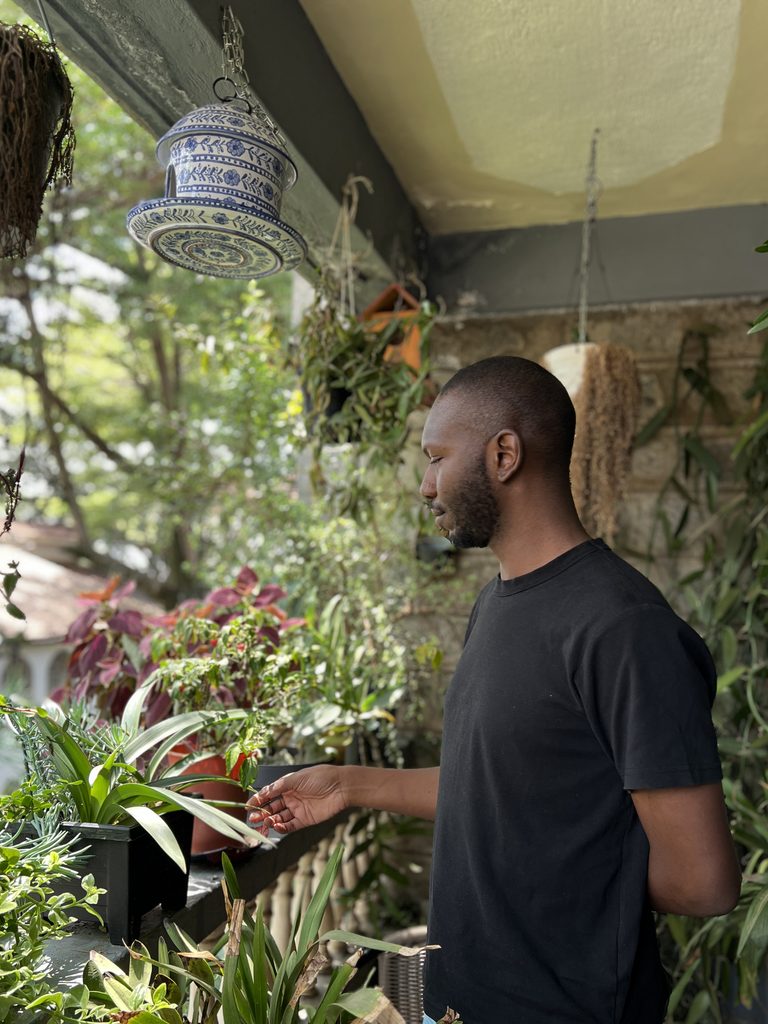
As an art curator, Don Handa knows a few things about art. So of course his house is filled with it. In this interview, he tells us how to make art accessible, and shares some do’s and don’ts for wannabe collectors.
Don is always looking for good light. So when he walked into his current apartment and saw the big window in the living room, it was love at first sight. The window takes up one whole wall, opening up to a spacious balcony, and beyond that, overlooking a big tree where birds like to perch.
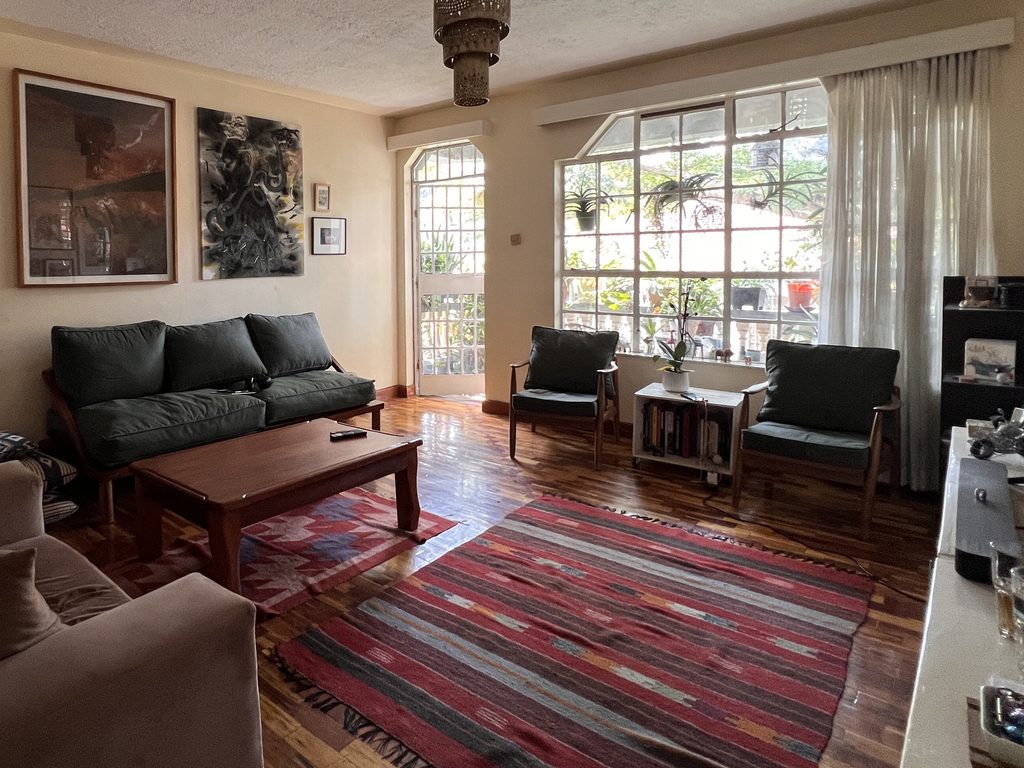
Even on cold overcast days, the window drenches the room in light. It has informed how the space is organised, providing a natural focal point and helping Don make decisions about where to hang art, place furniture, and install a TV.
“I like collecting things and arranging them, often tinkering with placement and composition until I find a layout that works,” he said.
If you allow yourself to move things around, you will eventually create magic.
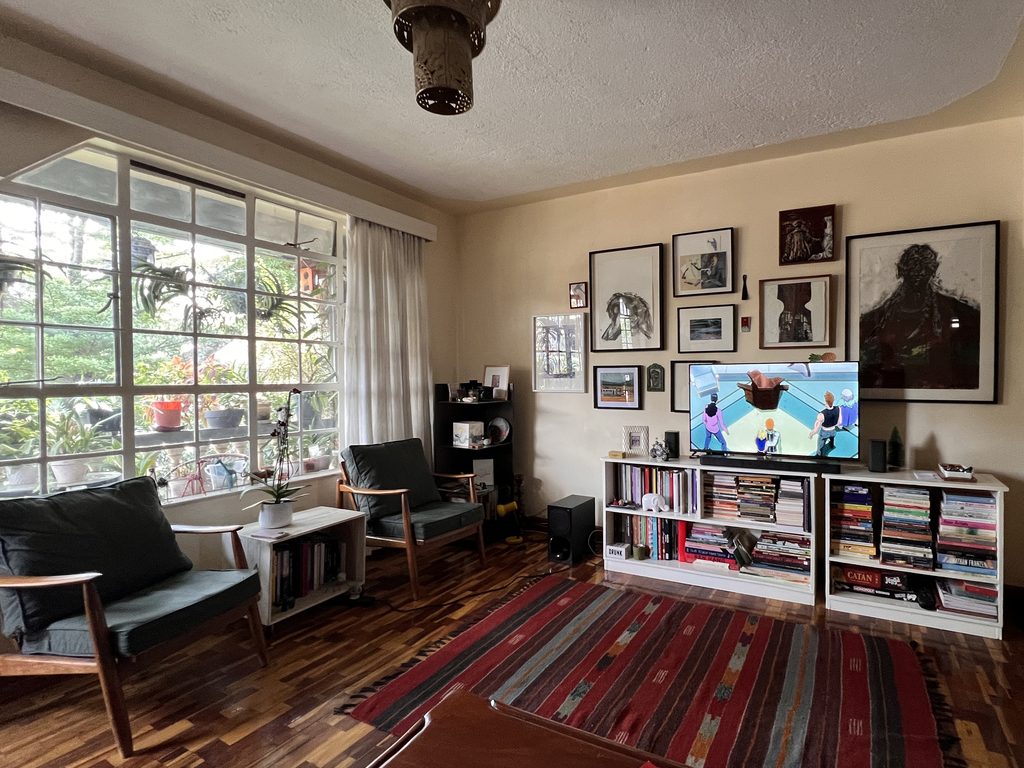
The current design of the living room provides the eye with different points of interest, each distinct, yet in harmony with the rest of the space. The big window is the first thing you see upon entering the apartment, with a pair of low, antique armchairs in front of it. To its left is a large green sofa above which a pair of large paintings hang. Opposite the sofa, across the room, is the TV. It sits on top of a bookshelf that’s filled to bursting with books and trinkets, surrounded by a gallery of paintings and pictures.
A large wooden coffee table takes pride of place at the centre, while a two-seater armchair on the periphery completes the sitting arrangements. A pair of small Persian rugs ground the space and overhanging them is a bronze light fixture. The effect is of a cosy and liveable room that is not trying too hard to look curated and styled, but still displaying its treasures to best advantage.
“There wasn’t a process or a plan for how this space came together. It all happened gradually, over time, in response to our needs,” said Don.
He shares the three bedroom apartment with housemates, but they have left the decorating largely to him, leveraging his artistic sensibilities and interests. He asks their opinions and once in a while they will call him out on things they think are ugly, but often they’re happy to go with his choices.
“I have been given carte blanche in decorating the house. They basically said to me, “you are the one who cares about this stuff, so have at it.” I like to think that they like what I have done so far,” he said.
The vision must meet reality, not fight it.
A big influence on his decorating decisions is not so much aesthetics, rather, it is liveability and practicality. The home is designed to accommodate everyone and to follow the natural flow of how people use it. Where do they like to sit? What is the route they take most often when heading to the kitchen or the balcony? What’s the best spot for watching TV?
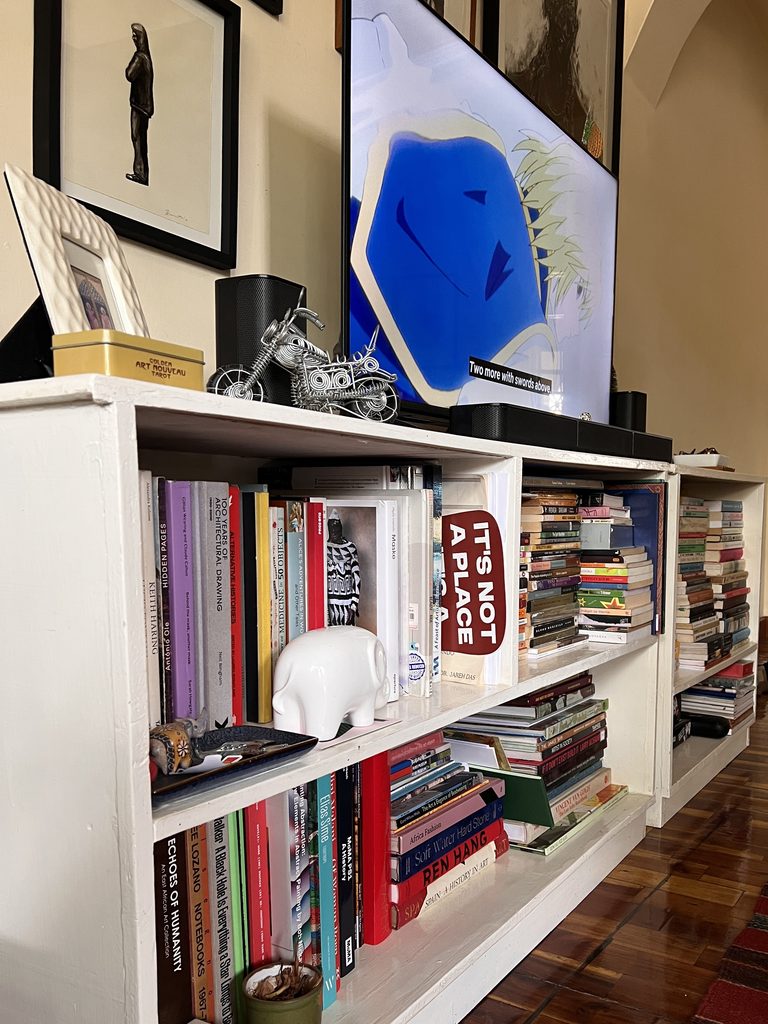
For instance, they at first had the TV against a different wall and found that it became a distraction because it made the room more difficult to use. Not only did that configuration force them to draw power from a socket across the room, it also meant that someone had to walk in front of the TV to access the balcony, blocking anyone who was using it at the time. It was a big lesson.
“A room is more interesting when you arrange it according to how you use it as opposed to following a prior plan. So decorating becomes a question of comfort rather than just trying to create pretty visuals,” he says.
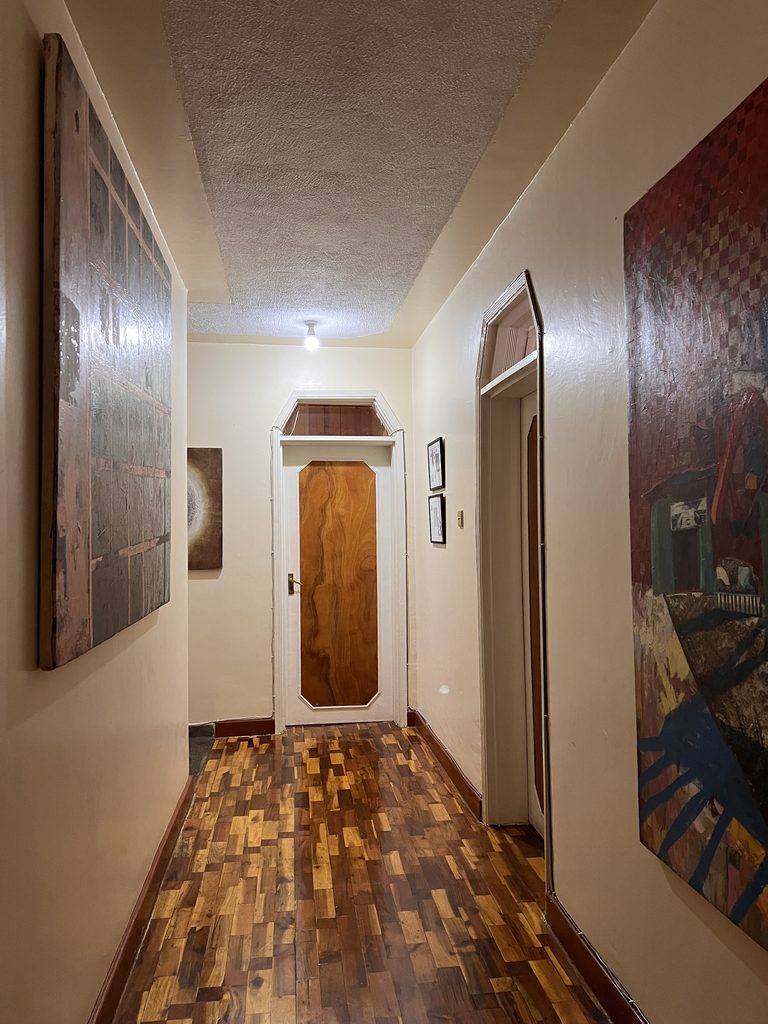
Don’s training and experience as an art curator and gallerist comes into play in how comfortable he is playing with space and dimensions, and moving things around. He struggles to classify his style into one neat category, finding himself combining elements from different influences to create a cohesive whole.
“I follow my curiosities, which means it may take a bit longer to get what I want, or things come into the home when they’re unexpected. I am not trying to achieve any certain look,” he says.
Imperfections bring texture and personality.
His only rule of thumb? No overstyling or over curating.
“I dislike homes that feel like hotel rooms. Homes must feel lived-in. Which means being comfortable with mess and imperfections,” he says.
There is a lot to like about his home but the most striking thing is the variety and richness of the art on display. Most of the walls are dominated by big frames that would be right at home in an upscale gallery. It looks like Don brought work home, but in a warm, accessible way, creating his own unique signature. The art elevates the home without making it cold or unapproachable.
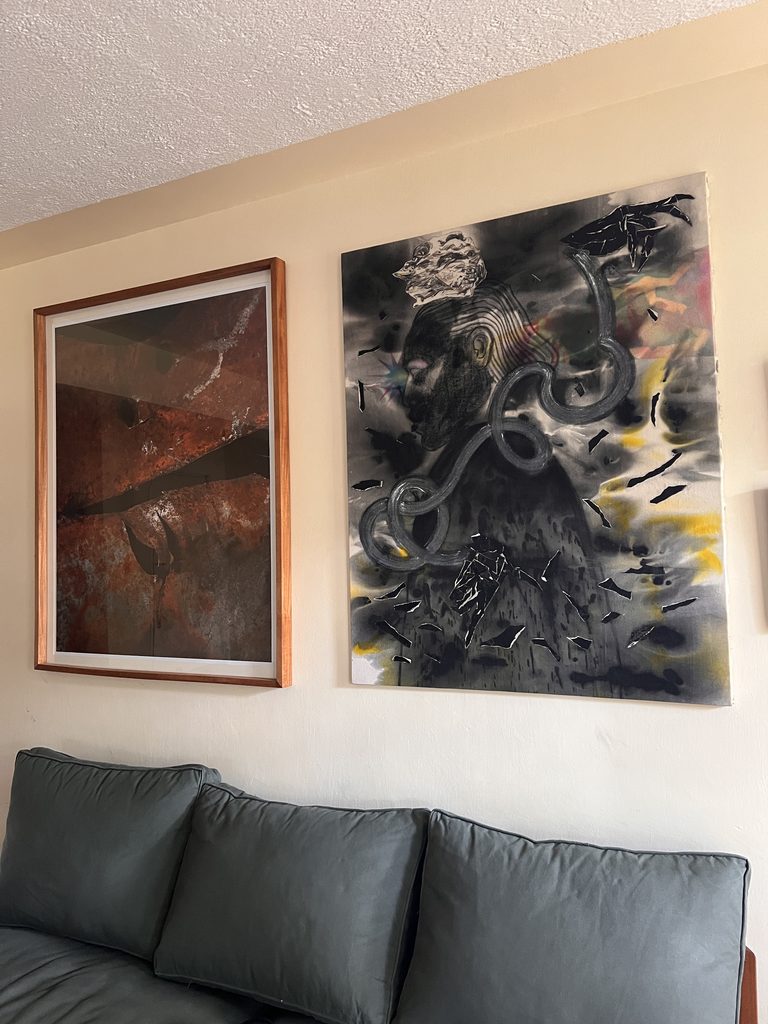
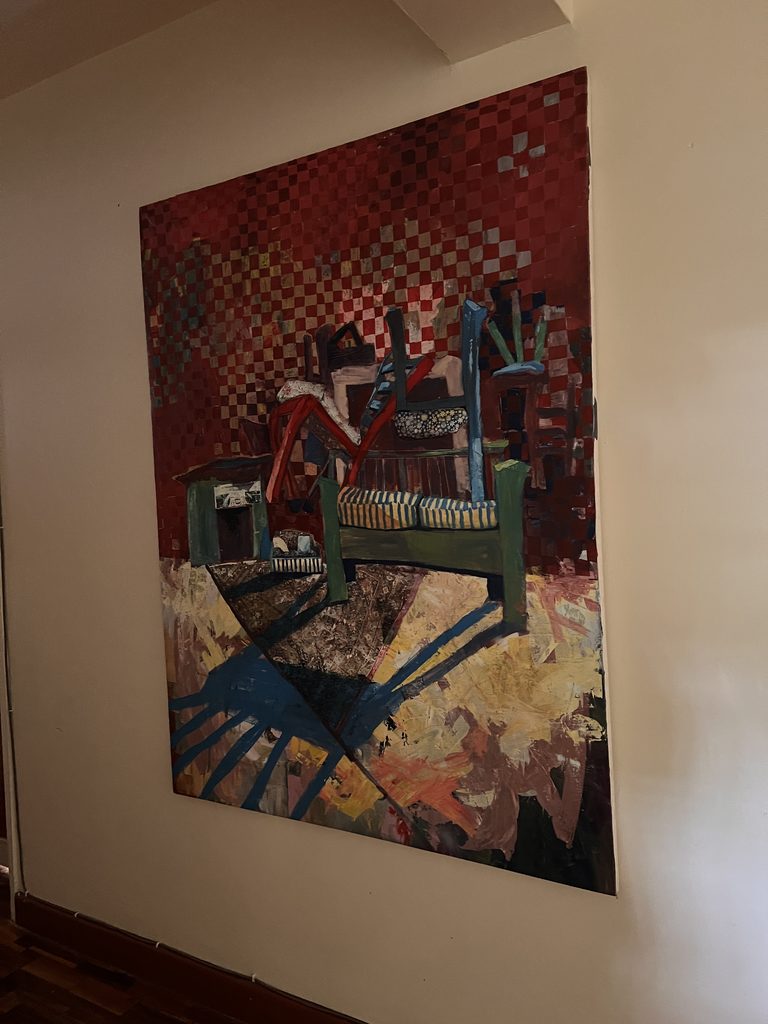
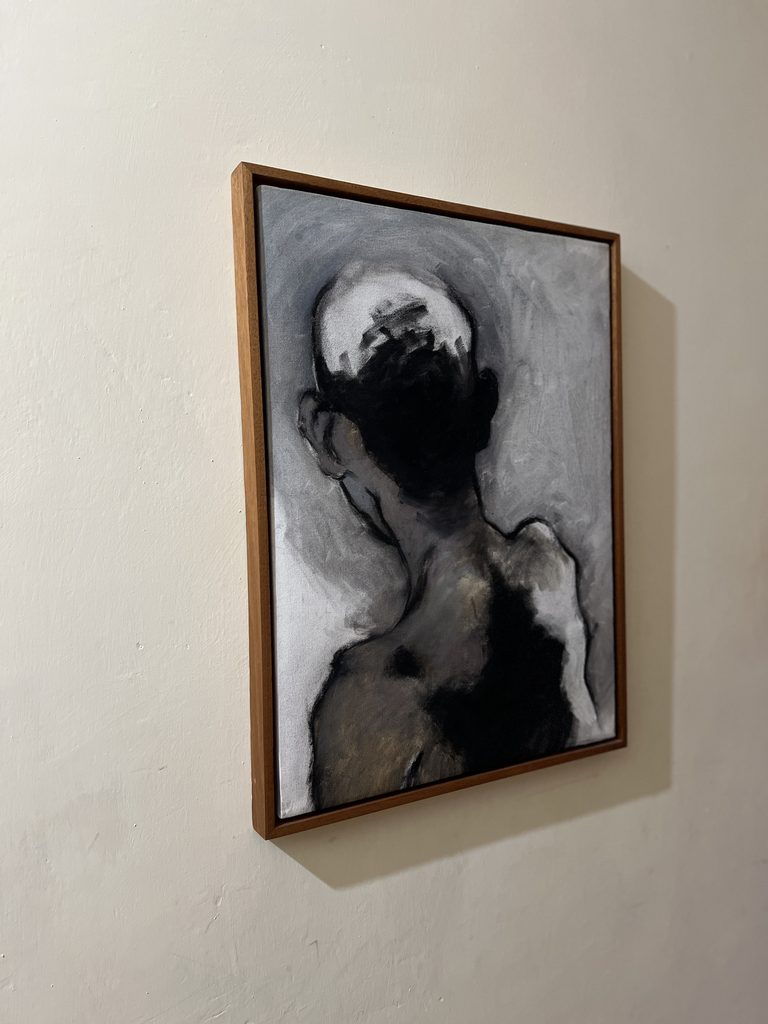
“I am so lucky to have a job that allows me to interact with the things I enjoy. I am militant about art. I don’t want to be around things I don’t want to look at,” he says.
Over the years, he has built an impressive collection, one that reflects the relationships that he enjoys with the artists that he works with.
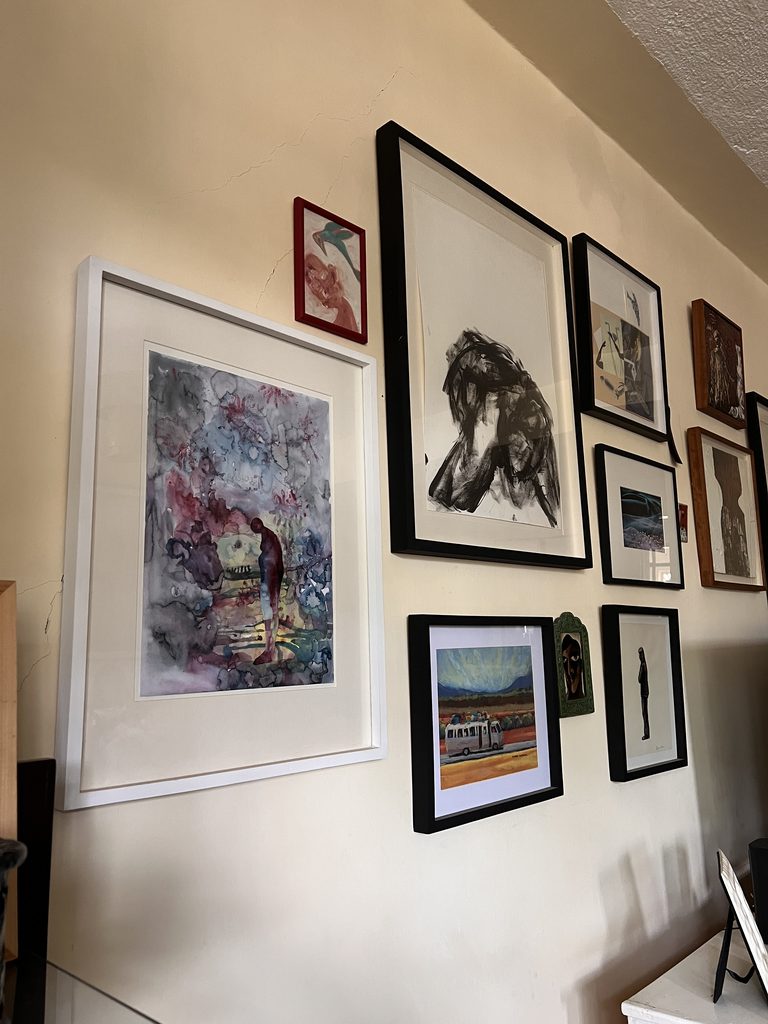
“Most of the art in my home is by people I know personally, and who I care about,” he says.
Good art can be expensive, and filling up a home with original paintings is not an overnight endeavour. Don has taken a pragmatic approach to building his collection, exploring unconventional ways of acquiring it.
“Some artists have allowed us to pay slowly for stuff instead of all at once,” he explains.
And not everything has to be expensive. One of the more affordable pieces he bought cost Kes 3000.
According to him, his tastes haven’t changed much with time, and he sees similarities between the art and decor he chooses today in comparison to what he liked a few years ago. A creature of habit, this has also shaped his idea of home and what he prioritises.
“Home is people I like and things I like. It’s a place where you have routine, and feel comfortable and safe,” he says.
Don’s Top Tips for Buying Art
- Trust your instincts. You know more than you think. Artists make work about the world they live in, and you live in this world too, so there will always be ways of relating to the art.
- Follow your curiosity and find the things that are interesting to you.
- Good art looks a lot of different ways so allow yourself to experiment with new things. This is how you develop a sensibility and knowledge about art.
- Buy original work whenever you can because that way you’re putting money directly into an artist’s hands. You can get good art for as low as 2k.
- Use galleries for learning. Talk to the artists and gallerists, explore what’s on offer. You don’t have to buy. Treat it as an education. The knowledge goes a long way. This is what will help you to figure out what to buy, eventually.
- Some galleries offer payment plans. Always ask if this option is available for the art you want to buy.
- If you can’t afford an original work, get a fridge magnet, or a postcard, where the artist has reproduced their art. This allows you to diversify your collection while still supporting your favourite artists.
- Take your time. It is called a collection because it takes time to collect, often years.
Don’s Top Tips for displaying art
- Invest in a good frame. A good frame is one that is simple and does not interfere with the artwork itself.
- Make sure the hanging provision for the art work is strong enough so it doesn’t break. Your art needs to be secure so it doesn’t fall.
- Avoid putting things in a place where they get harsh direct sunlight, humidity or dust. Those are not good for materials and will age the work. Eg, you can put sheers on your window to soften the light.
- Things can sit in your house in surprising ways, including on the floor. Have fun with it. Uko kwako, nani atakuchapa?