
Collins Kiminjah knows what it’s like to leave a high paying job and turn a hobby into a business. In this interview, he talks to Niko Kwangu about transitioning from being a lawyer to setting up his carpentry studio, Kiminjah Woodworking, and the simple joys of building a name as the go-to fundi for high quality furniture.
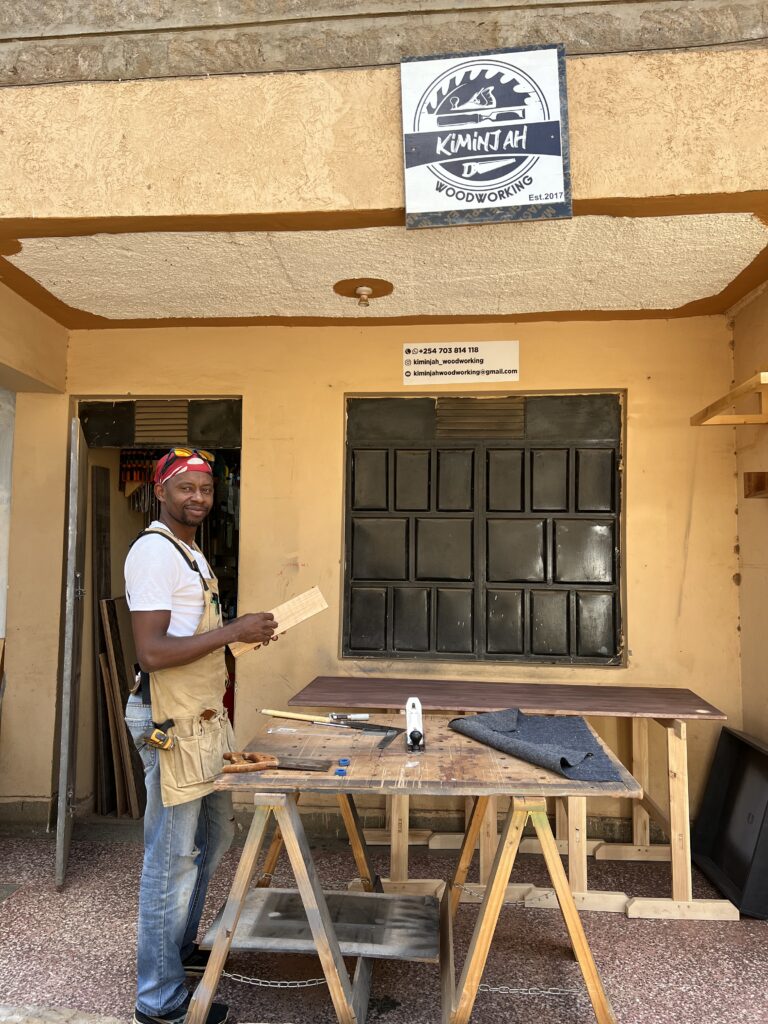
Tucked into the meandering maze that is Kahawa Wendani estate in Kiambu County is Kiminjah Woodworking, a carpentry studio that is slowly but steadily making a name for itself in the furniture market. The workshop is in a busy mixed-use neighbourhood, flanked on one side by a multi-story residential apartment and on the other side by a trio of grocery shops. It is the December holidays and children play on the streets while the sounds of construction form the soundtrack to their happy shrieks.
Outside the small workshop, some finished chairs and stools are on display, easily catching the eyes of passing pedestrians. The proprietor, Collins Kiminjah, has also placed one of his woodworking benches on the veranda and on most days can be found blissfully sanding and cutting pieces of wood in preparation for the next piece he’s constructing.
“Sanding wood by hand almost feels meditative. You can get lost in that repetitive motion. And seeing the piece of wood go from rough to silky smooth is satisfying,” he says, as he demonstrates the correct way to position the wood to avoid it slipping off the work bench.
But before he became a carpenter, Kiminja was an advocate of the high court of Kenya. He worked as a lawyer in Nairobi for 12 years, and found that although the pay was good, he struggled with burnout. The last straw was when he started getting ill, and once collapsed at work, but doctors could not come up with a diagnosis, despite multiple hospital admissions.
“I knew then that I needed to leave and do something else with my life. Luckily I had put away a good amount of savings and that was enough to start my business. I paid rent for this space, shipped in some equipment from Amazon, and opened the doors for orders. That was in July 2025. I haven’t been sick since,” he said.
Humble beginnings
Kiminjah’s journey into woodworking started as a hobby. He has no formal training and everything he knows he’s learnt from hobbyist carpenters on youtube. He has learnt on the job, building his skills from 2016 when he started doing it as a hobby.
“I have always been good with my hands and in 2016, some friends and I threw around the idea of getting palette pieces and making furniture, just for fun. They did not follow through but I did. I got my hands on some palettes, bought basic equipment and made a shoe rack,” he said.
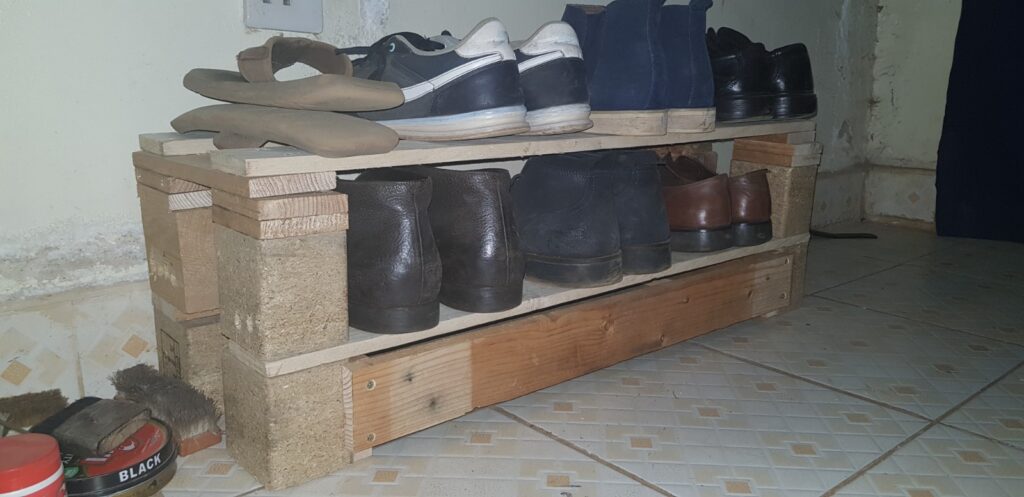
He posted it on social media where it caught the eye of a friend who asked if he could buy one.
“I couldn’t believe that someone wanted to buy something I’d built. I went on Pinterest, found a good design and built him a better version. I sold it to him for Sh4500. To this day I credit him, Nelson, for Kiminjah Woodworking because he’s the one who made me realise that I could make some money from this,” says the 40 year old.
From Palettes to actual wood
From there, orders started trickling in and soon Kiminja found himself looking for more palettes and making more shoe racks. Eventually he learnt enough from Youtube to venture into making other types of furniture, including beds and bedside tables. He’d work out of the spare bedroom in his house, carving out some time after work and during weekends. Still, woodworking remained a hobby until it became his full time job last year.
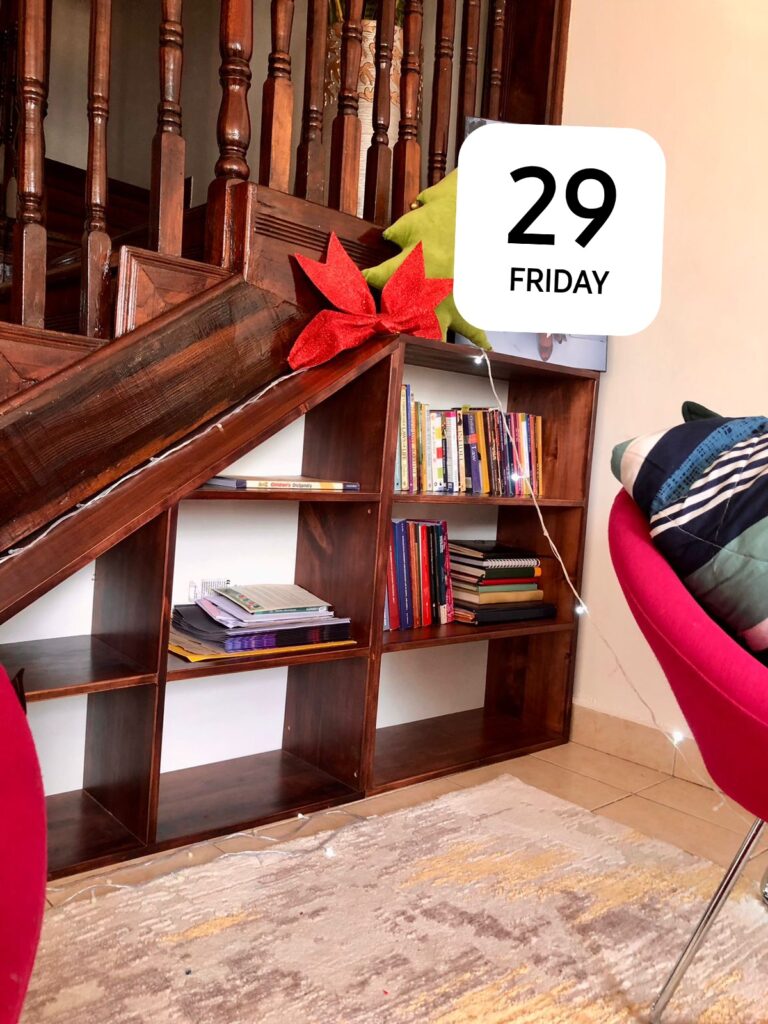
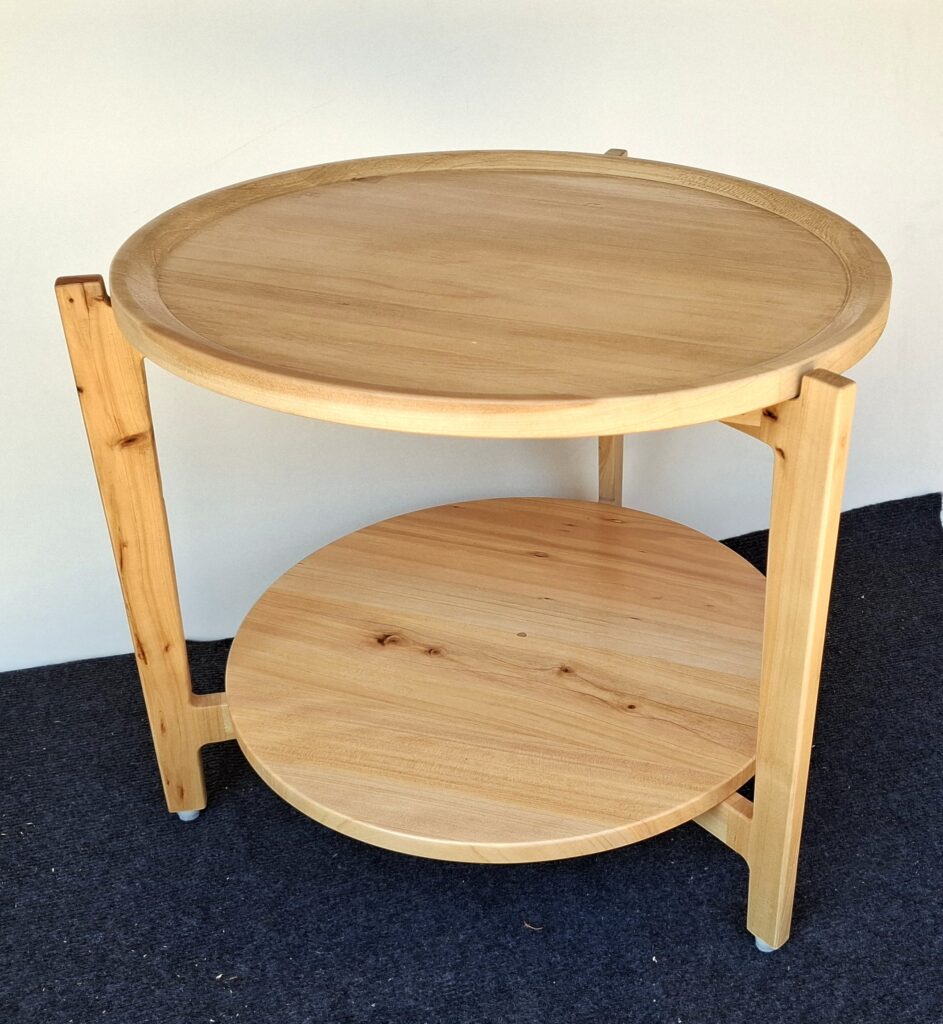
“Right now, I’m primarily making interior furniture, which includes beds, chairs, benches, TV consoles, custom mirrors, and shelves. I also outfit kitchens and install cabinets and cupboards. I don’t have any formal training; everything I know I learnt from youtube and through experience,” he said.
He works alone and prides himself on always pushing to deliver the highest quality of furniture that he can, which informs everything from how he sources his wood to how he executes joinery, to the stains and paints he uses. The wood he uses is kiln-dried to ensure that it never warps or bends.
Quality is expensive
“I make heirloom furniture which means that any piece you buy, I want you to have it for life. I am very precise. If I am working on a chair and the joint has a gap, I don’t use filler; I scrap it and start again. My friends think I’m mad but for me what’s important is that I put out stuff of a high quality. My pieces are made with precision, love and craftsmanship,” he says.
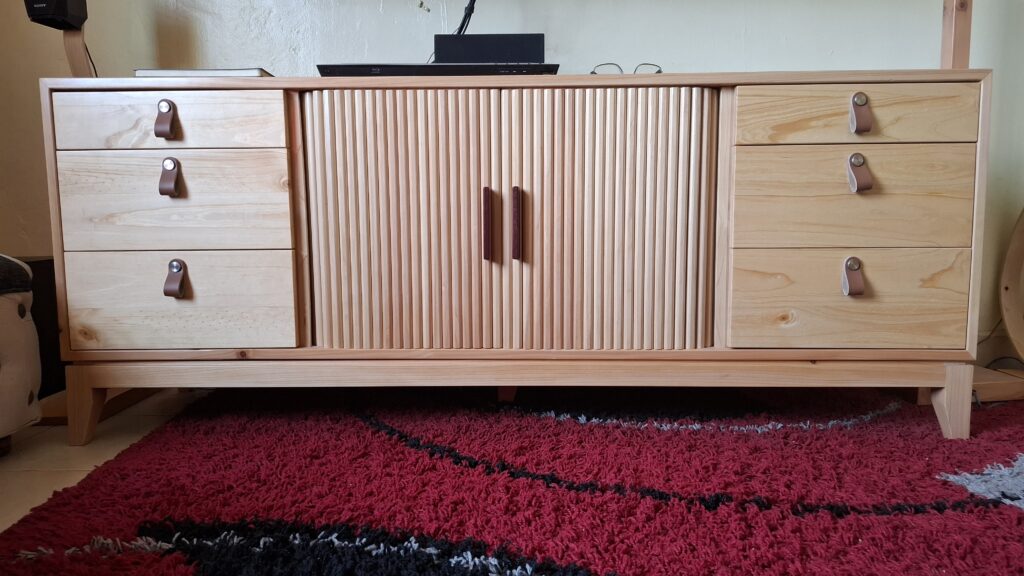
His customers have been quite receptive to the quality and excellence he offers, and they also value the advice he gives them when it comes to furniture buying.
“I am honest with my customers about the kind of furniture they actually need, based on where they are in life. For example, I wouldn’t advise a renter to buy a big dining table because once they move, it may not fit in their new space and they may need to replace it,” he says.
However, quality costs money and Kiminja says that the price of his items has sometimes proved to be prohibitive for some would-be customers. A medium sized hardwood coffee table starts at Kes 25,000, and so does a dining chair. A stool will set you back Kes 12000 while a side table goes for not less than Kes 15000.
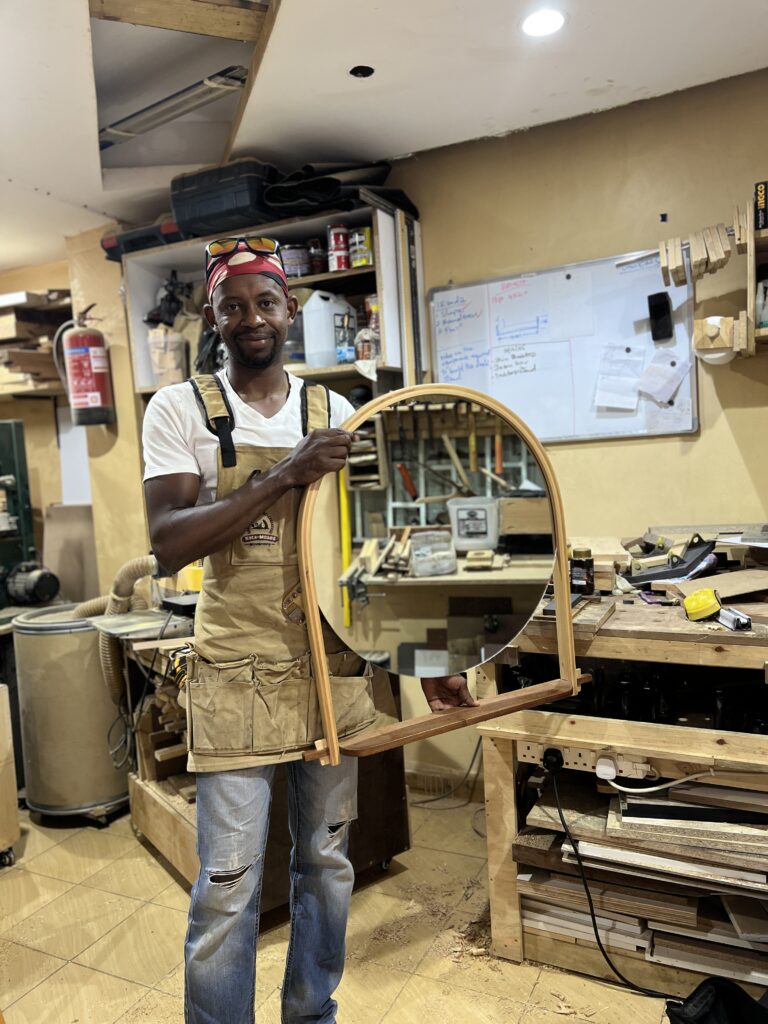
“I’d encourage people to think of furniture as an investment. You get what you pay for. Good quality furniture is expensive because good wood is expensive, good equipment is expensive and good skill takes years to develop,” he says.
You can support Kiminja’s work by ordering your next piece of heirloom furniture through his Instagram page here or visit him at his studio here.
Kiminja’s top tips for choosing good furniture
- Don’t buy blindly online, especially for big items like beds, cabinets or sofas. Visit the shop, see the item, talk to the carpenter and ask questions. How things appear in pictures may be very different from how they really are in person.
- For furniture that gets a lot of use, for example dining tables, chairs or beds, pay as much as you can afford for the best quality you can get. We still use the dining chairs my father built in the early 90s.
- You don’t always have to spring for hardwood– for example you can get away with having a floating shelf made out of softwood and it will serve you for years.
- Ask your friends for recommendations of good carpenters they’ve bought from, and what their experience of that item has been.
- Avoid buying painted furniture, where possible. Very few people paint properly and they take shortcuts that mean that in a year or two, the paint will start peeling and the item will need repair.
Kiminjah’s tips for anyone considering leaving a steady job and starting their own business:
- Don’t quit blindly. Make sure you have enough savings first.
- Get insurance for everything, especially your health and business.
- Cut down on costs of living where you can. For example, reduce eating out.
- You will work longer hours as a self-employed person. Prepare to sacrifice your weekends and evenings. Still, ensure that you put aside some time for yourself so you don’t burn out.
- Don’t follow trends. Research your business idea and ensure that you have a solid concept.
- Understand what the regulations are in your sector.
- Be strategic about debt.